
Master Bread Dough
This master dough recipe makes a wonderfully generous batch — just the way homemade bread should be.
COOKBOOK
10/17/20256 min read
This post may contain affiliate links. As an Amazon Associate, I earn from qualifying purchases, which helps support our homestead/farm‑building journey.
Master Dough: A From Scratch Recipe Rooted in Memory, Warmth, and Love
There are few smells in this world that stop me in my tracks quite like homemade bread baking from scratch in the oven.
Not the kind that comes from a plastic bag or a grocery store bakery. I mean real bread. The slow, warm, yeasty scent that fills a house and settles into the walls for hours. The kind of smell that makes you pause mid-sentence, close your eyes for a moment, and breathe a little deeper.
For me, that smell isn’t just hunger.
It’s memory.
Every time yeast blooms and dough begins to rise, I’m pulled backward through time—back to crisp fall afternoons at my grandmother’s house. Back to cold air and fogged windows and a kitchen that felt like the safest place in the world.
Fall Air, Foggy Windows, and a Well-Worn Bowl
I remember those days clearly. The air outside was sharp and clean, the kind that wakes you up and makes your lungs feel bigger. I’d be out playing for hours, hands numb, cheeks red, boots damp from wet leaves. Eventually the cold would chase me inside.
The moment I opened the door, warmth, and that alluring and intoxicating smell rushed out to meet me. Instantly I was hungry. Inside, the kitchen windows were fogged over from the contrast between the crisp fall air outdoors and the heat building inside. And wrapped around everything—every surface, every breath—was the unmistakable smell of bread made from scratch.
My grandmother moved through that kitchen with practiced hands. There was no printed recipe card taped to the cabinet. No measuring cups laid out in neat rows. Just a simple dough recipe she knew by heart and a mixing bowl that had seen more dough rises than I had years on this earth.
That bowl mattered. You could tell. It wasn’t shiny or new. It had scars, discoloration, and the kind of patina that only comes from decades of use. It had history baked into it.
She’d mix, knead, and shape the dough with an ease that felt almost magical. I didn’t know it then, but what I was watching was experience—muscle memory built over time. She cooked by feel, by sound, by smell.
And she cooked with love.
Wrapped in Warmth Like a Blanket
As I came in from the cold, the warm air carrying the smell of dough and bread baking would wrap around me like a blanket. It was comfort in its purest form. No words needed. No explanations required.
I’d sit at the table or lean against the counter, watching her hands work. Sometimes she’d talk, sometimes not. And that was okay. The kitchen itself seemed to hum with quiet understanding.
Some of the fondest memories I have of my grandmother are of her working in that kitchen—flour dusting the counter, sleeves rolled up, bread rising patiently while the world slowed down around it.
At the time, I didn’t realize how deeply those moments were sinking in. I just knew that kitchen felt like home.
Losing Bread Somewhere Along the Way
Like a lot of people, I drifted away from homemade bread as I got older.
Life got busy. Convenience took over. Bread became something wrapped in plastic, squeezed onto a shelf, or grabbed without much thought. Somewhere along the way, I absorbed the idea that baking bread from scratch was complicated, time-consuming, or reserved for professionals.
So I let it go.
For a while.
Finding My Way Back as a Chef
Years later, in my capacity as the dinner chef at a high-end guest ranch, I found myself face-to-face with bread again.
Real bread. Scratch bread.
There’s something humbling about baking bread professionally. Dozens of loaves rising at once. The steady rhythm of prep. The quiet anticipation as dough transforms under heat and time. And there’s something incredibly satisfying about watching people experience it.
Guests would wander into the kitchen, drawn by the smell, asking the same question every time:
“What smells so good?”, generally followed by a down to earth conversation of some sort about family or memories. Bread does that. It pulls people in. It creates a sense of welcome before a single word is spoken.
In that kitchen, I rediscovered what my grandmother had always known: fresh baked bread from scratch isn’t just food. It’s hospitality. It’s comfort. It’s care made edible.
A Recipe Inspired by Memory and Experience
The bread recipe I use today is my own—shaped by years of cooking professionally and inspired deeply by my grandmother’s approach. It’s rustic, forgiving, and deeply satisfying.
It’s not precious. It’s not fussy. It doesn’t demand perfection. It’s the kind of bread that forgives you if the kitchen is cold or the dough rises a little unevenly. The kind that still turns out good even if life distracts you halfway through. That’s the beauty of homemade bread from scratch—it meets you where you are.
And while the actual recipe lives in a separate card (exactly where it belongs), the heart of it lives in repetition, memory, and a willingness to slow down.
Why Baking Bread From Scratch Still Matters
In a world that moves too fast, baking bread from scratch forces patience.
You can’t rush yeast. You can’t bully dough into rising faster. You have to wait. You have to pay attention. You have to be present. And in that presence, something shifts. The kitchen warms. The air changes. The house smells alive.
Making homemade bread isn’t about perfection or Instagram-worthy loaves. It’s about the process. It’s about flour on the counter and dough on your hands. It’s about creating something real with your own effort.
Every loaf I bake now carries a little piece of my grandmother with it. And maybe that’s why it always feels like home.
Tools That Make Baking Bread From Scratch Easier (and More Enjoyable)
While you don’t need much to bake great bread, a few well-chosen tools can make the process more enjoyable—and last for decades if you choose wisely. If you’re curious about the tools I rely on, here are the ones that have earned a permanent place in my kitchen.
For years, I kneaded everything by hand. And honestly? I still love it. But when you’re baking regularly—or scaling up—having a reliable stand mixer can be a game changer.
A KitchenAid stand mixer with a dough hook is one of those tools that earns its place in the kitchen. This thing can be a game changer. It doesn’t replace the craft—it supports it. Especially when you’re working with heavier doughs or making multiple loaves at once.
A heavy, well-made mixing bowl is another quiet hero. There’s something grounding about using the same bowl over and over, watching it collect history the way my grandmother’s did.
A reliable bread pan, or a baking stone can also make a noticeable difference in consistency and crust. These aren’t gadgets. They’re workhorses. The kind of tools that grow old with you.
Bread as a Way Back to Ourselves
Homemade bread from scratch has a way of grounding us. It connects us to people we loved. To kitchens that felt safe. To slower seasons of life when time stretched instead of snapped.
If you’ve never baked bread from scratch before, I hope you try it. Not for perfection. Not for applause. Just for the experience. And if you have baked bread before, bake another loaf anyway. On a cool day if you can. Let the windows fog up. Let the house fill with warmth, and that smell that triggers a subtle and nurturing, but also almost primal feeling of hunger.
Because some smells don’t just feed the body. They feed the soul.
One Dough, Endless Possibilities
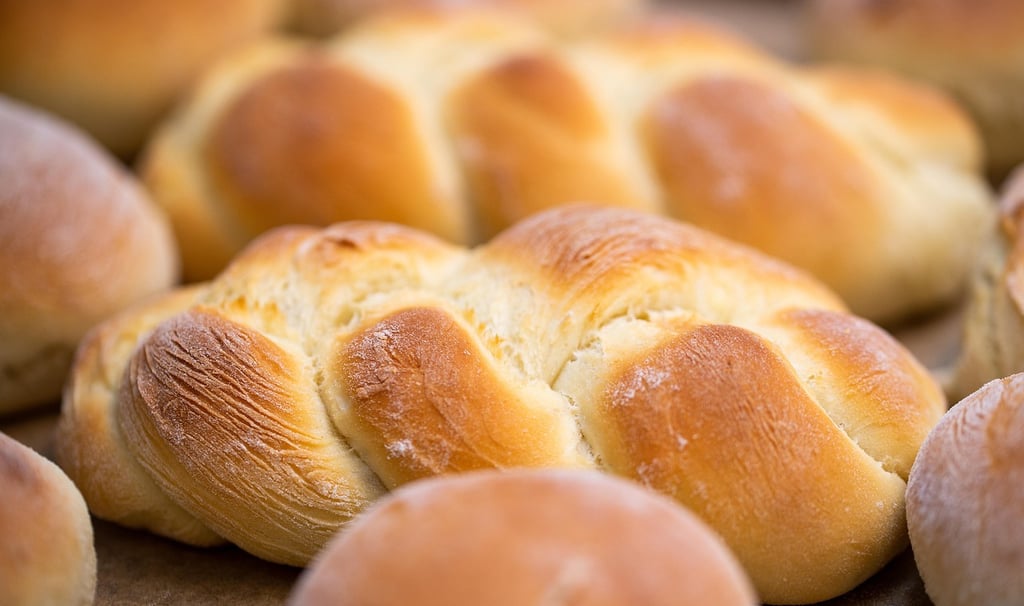
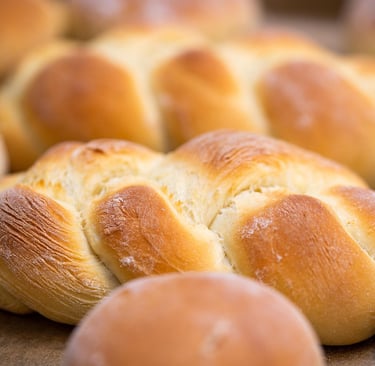
This master dough recipe makes a wonderfully generous batch — just the way homemade bread should be. With five cups of flour, warm water, and a touch of honey, you’ll end up with enough dough for two standard loaves, or the equivalent in rolls or shaped breads. If you prefer smaller bakes, this dough divides beautifully: you can make 12–16 soft dinner rolls, two medium braided loaves, or even one large loaf plus a half‑batch of rolls. However you portion it, you’ll have plenty to share… or to enjoy warm on a crisp fall afternoon.
One of the things I love most about this dough is how incredibly versatile it is. Once it’s risen and ready, you can take it in almost any direction your kitchen cravings point. This is the same dough I use for cinnamon rolls, sticky caramel rolls, and other cozy weekend treats, as well as the perfect platform (in sandwich roll form) for something like a warm and crusty Cuban sandwich. It has just enough natural sweetness to pair beautifully with warm spices and gooey fillings, yet it’s sturdy enough to hold its shape during rolling and baking.
Think of this recipe as your all‑purpose, go‑to dough. A master Dough if you will pardon my small stumble into dorkdom— the kind you can rely on whether you’re making everyday sandwich bread or something a little more indulgent. Keep this one in your back pocket, and you’ll always have the perfect starting point for both simple loaves and sweet pastries.
Dinner rolls from this recipe go fantastic with our Homestead Beef Stew. Give it a try!
Contact
Get in touch for questions or stories
hello@fireironandspice.com
© 2025.Vardar, LLC. All Rights Reserved.
A SkaldLight Creative Production.
LEGAL
Join Us
Subscribe to our page for new homestead updates and recipes, as well as my free gift to you: a downloadable PDF of "My 5 Favorite Sauces for the Grill"

